Wikipedia page editing services
Why It Matters Who Edits

One Careless Edit Can Cost You The Whole Page

Wikipedia is watched by volunteer editors and automated patrollers around the clock. An edit made from the wrong account, sourced from the wrong place, or written in the wrong tone gets reverted fast — and repeated attempts can get the page nominated for deletion. Our editors work inside the rules from the first keystroke.

  • Disclosed, Rule-Compliant Editing
  • Independent Sources Only
  • Neutral, Encyclopedic Tone
  • Talk Page Consensus Built
  • Revert Risk Kept Low
Proven Track Record

Editors Who Know Exactly What Gets Reverted

Rule-First Editing
Rule-First Editing

Every change is checked against notability, sourcing and neutrality policy before submission.

Source-Backed Facts
Source-Backed Facts

We only cite independent, published outlets — never press releases or your own website.

Flags Removed
Flags Removed

Maintenance banners are resolved at the root cause, then argued down on the talk page.

Watched After Launch

Pages are monitored post-edit so vandalism and quiet rewrites don't undo your work.

Something Wrong On Your Wikipedia Page Right Now?

Send us the link. We'll tell you what's fixable and what isn't — free.

What We Edit

Every Kind Of Wikipedia Edit, Handled End To End

Whether it's a single wrong date or a page buried under maintenance tags, the work is the same: sourced, neutral, defensible edits that reviewers accept.

01

Content Corrections

Wrong dates, old titles, retired roles, misspelt names. We correct the record and attach a citation reviewers can verify in seconds.

02

Fact Verification

Before anything is published, every claim on the page is traced back to a published source — and unsupported lines are removed or replaced.

03

Citation Repair

Dead links, missing references and citation-needed tags get fixed with archived URLs and properly formatted references that hold up long term.

04

Policy Compliance

Promotional language, conflict-of-interest issues and neutrality problems are rewritten so the page reads like an encyclopedia entry, not marketing copy.

05

Ongoing Updates

New award, new role, new funding round. We keep the page current as things change, instead of letting it drift out of date.

06

Deletion & Dispute Defence

Pages flagged for deletion or stuck in a content dispute get a sourced, policy-based case argued on the talk page by experienced editors.

How A Wikipedia Edit Actually Gets Made

No guesswork and no shortcuts — here's the exact sequence every editing project runs through, start to finish.

  • Page Audit

    We read the page, its history and its talk page to find every issue.

    01
  • Source Hunt

    Independent coverage is gathered to support each correction before a single word is changed.

    02
  • Edit Scope

    You approve exactly what will change — and we flag what policy won't allow.

    03
Wiki Page Editing
  • Drafting

    Changes are written in neutral tone with references formatted to Wikipedia's citation standards.

    04
  • Your Review

    You see the proposed edit in full and sign off before anything goes live.

    05
  • Publish & Watch

    The edit is submitted, tracked through review, then monitored for reverts and vandalism.

    06

Build a trusted online record
Long Term Value

An Accurate Page Works For You Every Single Day

Your Wikipedia entry is usually the first result people see after your own website — and often the source a journalist, investor or recruiter trusts most. When it's wrong, outdated or covered in warning banners, that's the impression you're handing to everyone who searches your name. Fixing it changes what the internet says about you by default.

It also feeds the knowledge panels, voice assistants and AI answer engines that pull from Wikipedia. Correct the source, and the corrected version spreads everywhere those systems appear.


fst fst

Stop Letting An Outdated Page Speak For You

Get a clear, honest assessment of what can be edited — no obligation.

Pages We've Edited

Six categories, one standard — sourced edits that reviewers accept and that stay on the page afterwards.

Individuals

Individuals

01

Authors, founders and notable private individuals whose pages needed accuracy restored after years of uncorrected drift.

  • Individuals portfolio sample
  • Individuals portfolio sample
  • Individuals portfolio sample
Companies

Companies

02

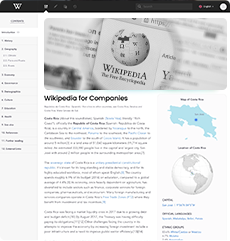
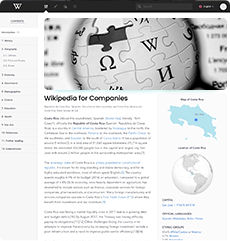
Corporate entries updated through leadership changes, acquisitions and rebrands, with promotional language stripped out entirely.
  • Companies portfolio sample
  • Companies portfolio sample
  • Companies portfolio sample
Public Figures

Public Figures

03

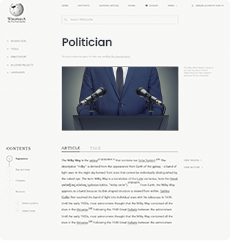
Politicians and officials whose pages attract heavy editing traffic and need constant monitoring for accuracy.
  • Public Figures portfolio sample
  • Public Figures portfolio sample
  • Public Figures portfolio sample
Professionals

Professionals

04

Doctors, lawyers and academics whose credentials, publications and appointments required properly sourced verification.


  • Professionals portfolio sample
  • Professionals portfolio sample
  • Professionals portfolio sample
Athletes

Athletes

05

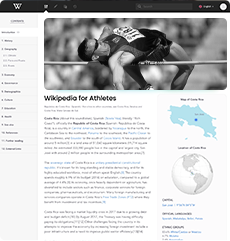
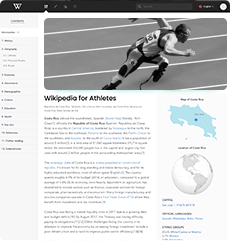
Career stats, transfers and records kept current through seasons, with reliable sports coverage cited throughout.
  • Athletes portfolio sample
  • Athletes portfolio sample
  • Athletes portfolio sample
Musicians

Musicians

06

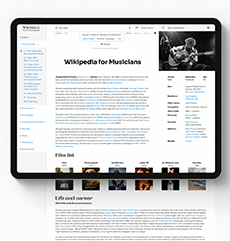
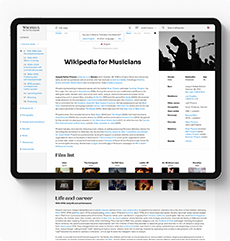
Discographies, tour history and chart positions corrected and referenced against independent music press.
  • Musicians portfolio sample
  • Musicians portfolio sample
  • Musicians portfolio sample

Fixed Scope, Fixed Price

You approve the scope and the cost upfront. No surprise invoices later.

Real Editors, Not Bots

Every edit is written and submitted by a person who knows the policies.

Full Confidentiality

Your involvement stays private, handled through properly disclosed accounts and NDA coverage.

Support After Publishing

We stay on the page after the edit lands, watching for reverts.

Why Us

We'd Rather Tell You No Than Waste Your Money

Plenty of agencies will take a payment for an edit Wikipedia will never accept. We won't. If your page can't support a change under current policy, you'll hear that on the first call — along with what would need to happen before it could. Straight answers, then careful work.

Loved By 500+ Clients
Client Feedback
H
Helen Robertson

“My page had three wrong dates for four years. Fixed, sourced and still live six months later.”

M
Michael T. Haug

“They told me upfront which edits wouldn't pass. I'd rather hear that than pay for a revert.”

O
Olivia Marie Davis

“The deletion notice came off in under two weeks. Clear updates from them the whole way through.”

A
Ava Lily Wilson

“Half my references were dead links. Every one of them repaired and properly archived.”

S
Sophia Rose Anderson

“Our company page read like a brochure. Now it reads like an encyclopedia and nobody's touched it.”

N
Noah David Miller

“Someone kept quietly changing my page. They caught it, reverted it and now they watch the page.”

Wikipedia Editing Work Across Six Continents

12+ Years Of Editing Experience
2,400+ Wikipedia Pages Handled
1,800+ Clients Served
50+ Countries Covered

What We're Actually Here To Do

Wikipedia is built by volunteers who are rightly suspicious of anyone paid to edit it. We think that's healthy — and we work with it rather than around it. Disclosed accounts, talk page requests where required, independent sourcing every time. It's slower than the shortcuts, and it's the only approach that lasts.

Our job is to make sure the public record about you is factually correct. Not flattering, not promotional — correct. That's a narrower promise than most agencies make, and a keepable one.

  • Disclosed, transparent paid editing
  • Independent sources behind every claim
  • Honest scope before you pay anything
  • Long-term monitoring, not one-off edits

Frequently Asked Questions

Yes — paid editing is allowed, with conditions. Wikipedia's terms of use require anyone paid to edit to disclose who is paying them. What isn't allowed is hiding the relationship or editing your own page directly to make it flattering. We work through disclosed accounts and, where the page is contentious, submit edit requests on the talk page for independent editors to approve. That's slower, and it's the reason the edits stay up.

A straightforward factual correction with a solid source can go live within a few days. Larger jobs — clearing maintenance tags, restructuring a badly written section, or defending a page against deletion — usually run two to six weeks, because they depend on discussion and consensus with volunteer editors rather than on our turnaround alone. You'll get a realistic timeline before the work starts.

That depends entirely on how the edit is made. Unsourced or promotional changes get reverted quickly, often automatically. Edits backed by independent published sources and written in neutral tone are far more likely to stand. Nobody can guarantee permanence on a site anyone can edit — what we can do is make the edit defensible and then monitor the page so any unexplained reversal gets caught and addressed.

Yes. When a page is nominated for deletion, the argument is almost always about notability — whether enough independent, reliable coverage exists to justify an entry. We find and add that coverage, tighten the article to policy, and make the case on the deletion discussion page. If the sourcing genuinely isn't there, we'll tell you that instead of taking your money for an unwinnable discussion.

Cost comes down to scope: a single sourced correction sits at the low end, while deletion defence, full rewrites or ongoing monitoring retainers cost more. We quote a fixed price after reviewing your page, so you know the figure before committing. Send us the URL and you'll have a scope and a number back within a business day.

Only if it's inaccurate, unsourced, or given undue weight compared to the rest of the article. Well-sourced, genuinely notable criticism cannot be deleted simply because you'd prefer it gone — attempting that tends to draw more attention, not less. What can often be fixed is balance, placement and outdated framing.

Wikipedia strongly discourages it. Editing an article about yourself or your own company is a conflict of interest, and such edits are frequently reverted regardless of accuracy. The accepted route is to request changes on the article's talk page with sources attached, which is how we handle sensitive pages.

Independent, published, editorially reviewed sources — national and regional news outlets, trade press, academic journals and books. Press releases, sponsored articles, your own website, social posts and most blogs don't count. If a fact only exists on channels you control, it generally can't go on the page.

Yes, on monitoring plans. Pages for public figures and known companies attract quiet edits, and an accurate page can degrade within months if nobody is watching. We track the revision history and respond to unexplained changes.

Professional Wiki Help is not affiliated with, endorsed by, or connected to Wikipedia or the Wikimedia Foundation. We provide independent consultancy services and operate in accordance with Wikipedia's Terms of Use, including its paid-contribution disclosure requirements. Wikipedia is a collaborative platform and no service can guarantee the permanence of any edit.